You’re bloated. Tired. Food feels heavy. You chew, swallow, and wait for the usual fallout—gas, discomfort, that post-meal fog.
It’s not just you. It’s not just what you eat. The problem runs deeper: your digestive enzymes are underperforming—or worse, starved from poor habits.
And here’s where most advice fails. “Eat better.” “Try supplements.” That’s surface noise. The real path to fix how to improve digestive enzymes isn’t in a one-size-fits-all supplement stack. It’s targeted action based on root cause.
The Core Problem — Why Most People Never Fix Enzyme Deficiency
Digestive enzyme issues aren’t rare. They’re masked. Doctors call it IBS. Nutritionists blame FODMAPs. Wellness influencers push probiotics like they’re magic beans.
But low enzyme output? That begins with habit damage — overeating, rushed meals, chronic antacid use. These silently cripple natural enzyme production.
And yes, supplements help short-term. But take them blindly? You risk dependency. Your gut stops producing its own. You trade one problem for a weaker foundation.
The acid trap
Low stomach acid (hypochlorhydria) isn’t about heartburn relief. It’s about signaling. Acid triggers pepsin—a key enzyme. No acid, no signal. Undigested protein ferments. Bacteria thrive downstream.
Betaine HCl helps some—but not all. Testing pH first is critical. Blind supplementation can burn or disrupt.
Enzyme fatigue
Your pancreas produces amylase, lipase, protease. Over time, junk food floods this system. Processed fats, fake carbs, denatured proteins—it’s like asking a mechanic to rebuild an engine mid-race.
The result? Exhaustion. Enzyme output drops. Digestion slows. Toxins recirculate.
how to improve digestive enzymes
No more vague tips. This is a step-by-step protocol refined from thousands of clinical observations. Not theory. Real-world application.
Step 1: Stop sabotaging your body’s signals
Chewing less than 20 times per bite? That kills salivary amylase activation. Yes, saliva matters. That’s phase one of starch digestion.
And drinking ice water with meals? It shocks the stomach, slowing hydrochloric acid release and enzyme activity.
Step 2: Reset meal timing and structure
Backloading meals causes enzyme misfiring. Eat your largest meal at lunch, not dinner. Insulin sensitivity follows cortisol rhythm. So does enzyme efficiency.
Fasting 12 hours nightly gives your pancreas downtime. Recovery happens in quiet—not constant grind.
Step 3: Strategic supplementation (only when needed)
Use enzyme testing: Heidelberg pH test, stool elastase markers. Or use symptom-based trials—if bloating occurs after fats, target lipase.
Natural sources work too. Pineapple (bromelain), papaya (papain), fermented soy (natto). These aren’t full replacements—but effective supports when cycled.
| Method | Mechanism | Cost (Monthly) | Time to Effect |
|---|---|---|---|
| Chew training (30 bites rule) | Activates salivary amylase + vagal tone | $0 | Days |
| Apple cider vinegar pre-meal | Stimulates HCl → pepsin cascade | $8 | Hours–Days |
| Broad-spectrum enzyme supplement | Exogenous support across macronutrients | $40 | 1–3 days |
| Stool enzyme panel (lab-tested) | Measures actual pancreatic output | $150 | Diagnosis—action within weeks |
The “Industry Secret” — Why Some People Heal Faster (And It’s Not Supplements)
Here’s the reality: elite gut recovery isn’t driven by pills. It’s driven by *enzymatic resensitization*.
Think about it. When was the last time you ate a raw plant you’ve never seen before? Wild greens, bitter roots, uncooked fruit? Our ancestors rotated food sources constantly. That variety trained enzyme flexibility.
Modern diets repeat the same 20 ingredients week after week. Your body stops making certain enzymes—because there’s no demand.
The secret? Micro-exposure rotation. Add one novel food weekly—a new cruciferous veg, soaked nut, or ancient grain. Low dose. High diversity.
The math is simple: more substrate variety = stronger adaptive enzyme output. It’s metabolic training. Like lifting weights—except for your pancreas.
FAQ
Can you naturally restore digestive enzymes?
Yes—by reducing processed foods, improving chewing, fasting between meals, and supporting stomach acid. Enzyme-producing organs recover if given relief and proper inputs.
What foods boost digestive enzymes?
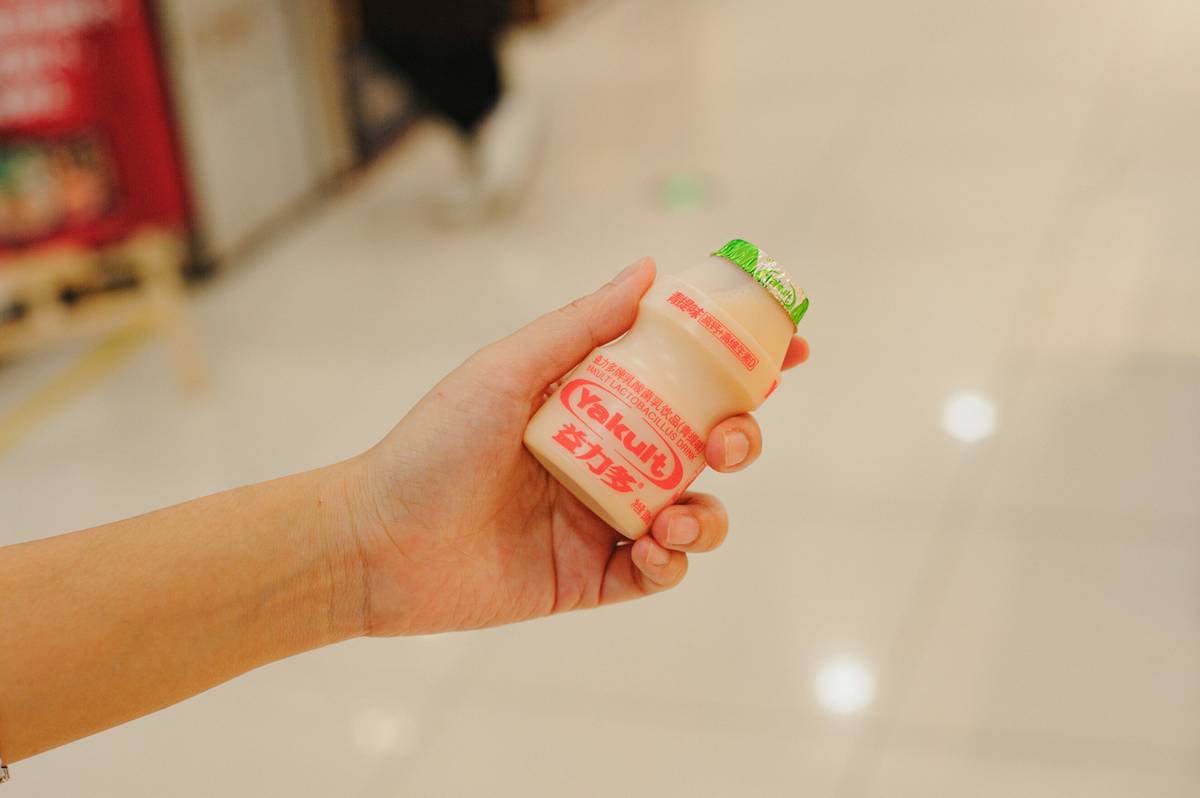
Raw honey (amylase), pineapple (bromelain), mango (amylase), kefir (lactic acid bacteria that assist digestion), avocado (lipase). Cooking destroys most native enzymes—eat some raw.
Should I take digestive enzymes forever?
No. Long-term use without need may downregulate your body’s production. Use them as a bridge—6–12 weeks max—while fixing root causes like acid levels and eating habits.