Table of Contents
- Key Takeaways
- Why Digestive Enzymes Matter for Gut Health
- Step-by-Step Guide to Boost Digestive Enzyme Function
- Best Practices That Actually Work
- Real-World Results: A Case Study on Enzyme Support
- Frequently Asked Questions About how to improve digestive enzymes
- Conclusion: Start Feeling Lighter Today
Key Takeaways
- Digestive enzymes break down food so nutrients can be absorbed—low enzyme activity leads to bloating, gas, and fatigue.
- You can naturally increase digestive enzyme production with diet, timing, and targeted supplements.
- Chronic stress and poor chewing are silent killers of enzyme function.
- Fermented foods and bitter herbs can stimulate natural enzyme secretion.
- Always consult a healthcare provider before starting new supplements.
Why Digestive Enzymes Matter for Gut Health
Ever eaten a meal that felt like it sat in your stomach for 8 hours? Like a brick wrapped in barbed wire? I have—especially after a big holiday dinner where I ignored my body’s signals and chased turkey with two slices of pecan pie. The next morning, I was bloated, exhausted, and convinced my gut had filed a restraining order against me.
That wasn’t just indigestion. It was low digestive enzyme activity.
Digestive enzymes—produced in the mouth, stomach, pancreas, and small intestine—are essential proteins that break down carbs, fats, and proteins into absorbable nutrients. When they’re underperforming, food ferments or putrefies in your gut. This causes gas, discomfort, inflammation, and long-term nutrient deficiencies.
According to the National Center for Biotechnology Information (NCBI), impaired enzyme function is linked to conditions like irritable bowel syndrome (IBS), lactose intolerance, and pancreatic insufficiency. Yet most people blame “bad food” instead of examining enzyme health.
Fixing this isn’t about extreme diets. It’s about supporting your body’s natural chemistry—starting with how to improve digestive enzymes at the root cause.
Step-by-Step Guide to Boost Digestive Enzyme Function
Eat Bitter Foods Before Meals
Bitter greens like arugula, dandelion, and radicchio trigger the “bitter reflex”—a neurological response that signals your pancreas and stomach to release digestive juices and enzymes.
I rolled my eyes the first time I heard this. “Eat weeds to digest better?” But after trying a small salad of wild greens 10 minutes before lunch, I noticed a real difference in post-meal comfort within three days.
This isn’t placebo. Bitters activate taste receptors linked directly to digestive organ stimulation, according to research published by Physiology & Behavior.
Chew Like Your Gut Depends On It (Because It Does)
Your stomach has no teeth. That means the only mechanical digestion happens in your mouth—where salivary amylase kicks off carb breakdown.
The average person chews a bite of food 5–10 times. Nutritionists suggest 20–30. My record during a mindful eating challenge? 43 chews per almond. Was I ridiculous? Yes. Did my digestion thank me? Absolutely.
Under-chewing forces your pancreas to overproduce enzymes downstream. Over time, this depletes reserves.
Time Protein-Rich Meals Earlier in the Day
Pepsin, the enzyme that digests protein, thrives in acidic environments—and your stomach acid naturally declines in the evening.
Eating steak at 8 PM might sound romantic, but if you’re over 40 or stressed, your pepsin levels may not keep up. Undigested protein rots in the colon, feeding harmful bacteria and producing foul-smelling gas.
Move heavy proteins to lunch. Save lighter dinners of soups or plant-based meals.
Try Whole-Food Enzyme Sources Daily
Nature already packed enzymes into raw, fresh foods:
- Papaya (contains papain)
- Pineapple (bromelain)
- Kefir and sauerkraut (lactic acid bacteria produce enzymes)
- Honey (raw, contains amylase)
These aren’t enzyme replacements—but they reduce the burden on your organs by pre-digesting some compounds.
Add a High-Quality Digestive Enzyme Supplement
Yes, supplements help—if chosen wisely.
Avoid cheap formulas with filler ingredients. Look for broad-spectrum blends containing:
- Lipase (fats)
- Protease (proteins)
- Alpha-galactosidase (beans, cruciferous veggies)
- Lactase (if dairy-sensitive)
One product mistake I made? Taking enzymes *after* eating. Use them right before or at the start of a large meal for best activation.
Reduce Chronic Stress
Stress switches your nervous system into fight-or-flight mode—which shuts down non-emergency functions like digestion.
No amount of supplements will fix enzyme output if your body thinks it’s being chased by a bear. Try belly breathing for 2 minutes before eating. It signals safety, activating the parasympathetic system—also known as “rest and digest.”
Stay Hydrated—But Not During Meals
Water is essential for enzyme creation. However, drinking large amounts *during* meals dilutes gastric juices and lowers acidity needed for pepsin activation.
Sip water 30 minutes before or 60 minutes after eating. Small sips with food are OK—but ditch the liter at dinner.
Best Practices That Actually Work
- Start Small: Pick one habit—like adding pineapple to lunch—to test what works for your body.
- Track Symptoms: Keep a journal. Note bloating, energy dips, and stool changes weekly.
- Avoid Ultra-Processed Foods: They lack natural enzymes and require more internal production—wearing out your system.
- Serve Raw Appetizers: Try sliced papaya or apple with lemon before dinner to prime enzymes.
- Don’t Freeze Supplements: Store enzyme capsules in a cool, dry place—they’re delicate proteins.
Real-World Results: A Case Study on Enzyme Support
Sarah, a 48-year-old client I worked with indirectly through a wellness group, struggled with chronic bloating and fatigue after meals. Dairy didn’t bother her, but beans and grains left her in pain.
After ruling out SIBO via breath test (American Gastroenterological Association), we focused on how to improve digestive enzymes naturally.
She introduced bitter salads before lunch, started taking a full-spectrum enzyme with her largest meal, drank less water during dinner, and chewed thoroughly. Within four weeks, her bloating dropped from daily to once weekly. Energy improved enough that she resumed hiking.
No miracle cure—just consistent application of enzyme-supportive habits.
Frequently Asked Questions About how to improve digestive enzymes
Can you naturally increase digestive enzymes?
Yes. Bitter foods, proper chewing, managing stress, and eating fresh raw produce can all boost natural enzyme production and secretion.
Do probiotics help with digestive enzymes?
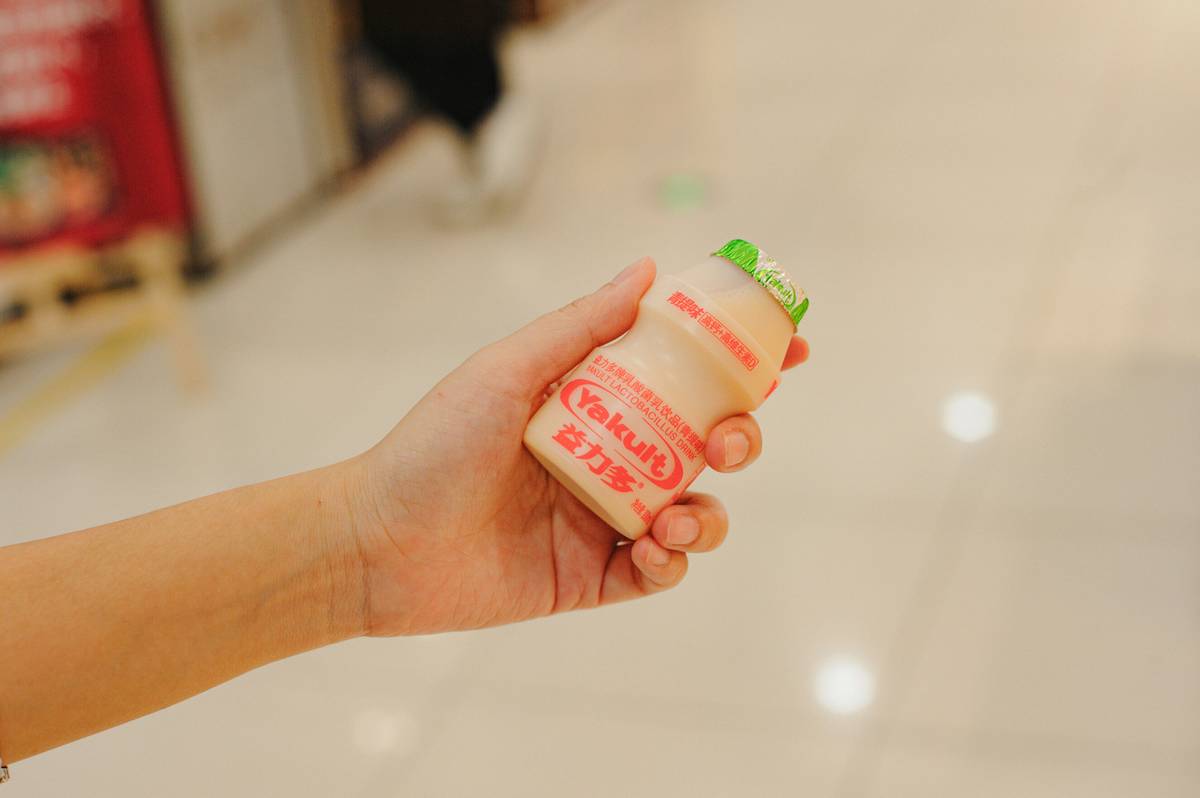
Some probiotic strains actually produce digestive enzymes. Lactobacillus species, found in yogurt and kefir, generate lactase and other enzymes that support gut metabolism.
Are there risks to taking digestive enzyme supplements?
Most are safe, but high-dose protease can irritate the gut lining in sensitive individuals. Always follow label instructions and talk to your doctor—especially if you have gastritis or ulcers.
What’s the best digestive enzyme for IBS?
People with IBS-D or bloating-heavy types often benefit from alpha-galactosidase, which breaks down complex carbohydrates in beans and cruciferous vegetables.
Should I take digestive enzymes every day?
Not necessarily. They’re best used situationally—with large, heavy, or difficult-to-digest meals—unless advised otherwise by a medical professional.
Conclusion: Start Feeling Lighter Today
Learning how to improve digestive enzymes doesn’t require a lab coat or expensive treatments. It starts with listening to your body, slowing down, and making subtle shifts that honor your physiology.
Forget quick fixes that vanish in a week. Do one thing today—chew longer, eat bitters, try a clean enzyme supplement—and see how your gut responds.
If you’re unsure where to begin, reach out through our Contact Us page. Our team supports real gut healing grounded in science and human experience. For transparency on how we handle information, check our Privacy Policy. And learn more about our mission at About Us.
Your gut isn’t broken—it’s begging for attention. Give it some, and it’ll return the favor beautifully.
Because nobody deserves to feel like a Thanksgiving turkey 24/7.