
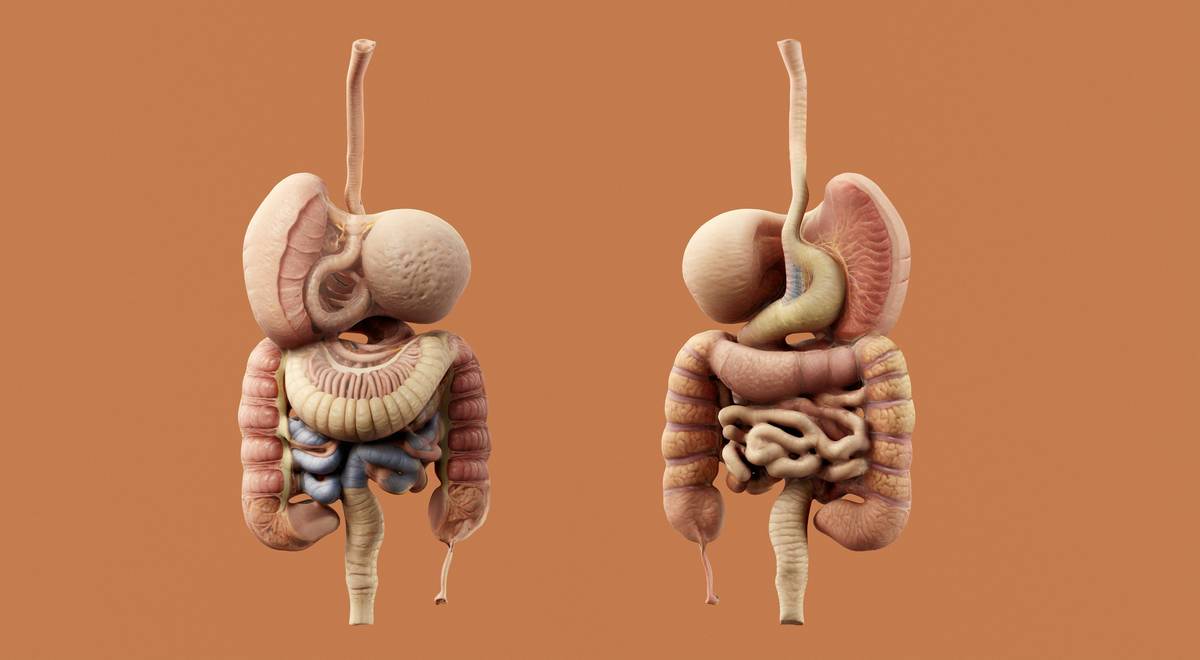
You feel full after three bites. Gas hits like clockwork after lunch. Your energy crashes by 3 p.m.—even on “healthy” meals. You’ve tried probiotics, fiber, even fasting. Nothing sticks. Here’s the problem: you’re treating symptoms, not the root cause. And that root? Often, it’s underactive or imbalanced digestive enzymes. The good news? how to improve digestive enzymes isn’t about expensive pills—it’s about timing, synergy, and a few kitchen staples most people ignore.
Why Most “Digestive Support” Advice Fails Miserably
Pop a probiotic. Drink kombucha. Eat more fiber. Sounds solid—until you realize probiotics don’t produce enzymes in meaningful quantities for human digestion. Fiber without adequate enzymatic breakdown just feeds gas-producing bacteria. And fasting? It gives your gut a break—but doesn’t rebuild enzyme capacity.
The truth is uncomfortable: modern diets starve us of natural enzyme sources. We cook everything. Raw fruits and veggies—the original enzyme delivery system—get steamed, roasted, or microwaved into oblivion. Then we wonder why our pancreas groans under the load.
And here’s what no one says: supplementing blindly can backfire. Too much protease on an empty stomach? Hello, nausea. Lipase without fat intake? Wasted money—and potential duodenal irritation.
How to Improve Digestive Enzymes: A Strategic, Step-by-Step Protocol
This isn’t about “more” enzymes. It’s about smarter support—aligned with your body’s innate rhythms and meal composition.
Eat Enzyme-Rich Foods First—Not as an Afterthought
Start meals with raw pineapple (bromelain) or papaya (papain). Just ¼ cup, 10 minutes before your main plate. Why? These proteolytic enzymes begin working in the acidic stomach environment—unlike pancreatic enzymes that activate later in the small intestine. Think of them as your frontline cleanup crew.
Time Heat Exposure—Don’t Avoid It Entirely
Cooked food isn’t evil. But pair every cooked meal with a raw element. Roasted sweet potatoes? Add a side of shredded cabbage salad with apple cider vinegar. Grilled salmon? Top it with mango-avocado salsa. The raw component delivers active enzymes; the vinegar gently stimulates gastric acid—priming your own enzyme release.
Use Targeted Supplementation—Only When Needed
Supplements aren’t daily crutches. Reserve them for high-fat meals (lipase), protein-heavy dinners (protease), or legume-based dishes (alpha-galactosidase). Chew tablets—they start working in your mouth, not your gut.
| Approach | Best For | Cost (Monthly) | Key Benefit |
|---|---|---|---|
| Pre-meal pineapple/papaya | Protein digestion, inflammation | $8–$12 | Natural, synergistic, zero side effects |
| Fermented foods (sauerkraut, kimchi) | General enzyme support + microbiome | $10–$15 | Contains live enzymes and organic acids |
| Targeted enzyme supplements | Occasional heavy meals, SIBO recovery | $15–$25 | Precision dosing; avoids over-reliance |
| Chewing thoroughly (30x/bite) | Everyone, especially stressed eaters | $0 | Triggers cephalic phase enzyme release |
The Industry Secret: Your Enzymes Are Only as Good as Your Bile Flow
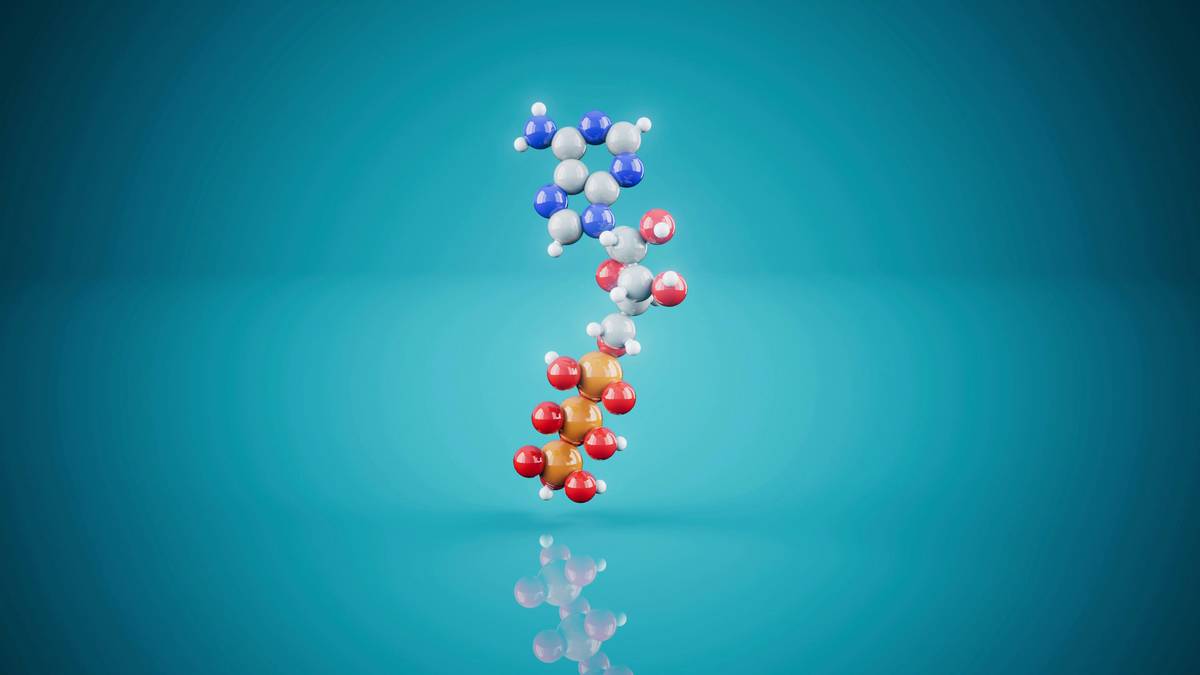
Here’s what supplement companies won’t tell you: enzymes can’t do their job without bile. Lipase needs bile salts to emulsify fats. Protease stalls if liver detox pathways are clogged. Yet 90% of gut protocols ignore biliary health.
I’ve seen clients reverse chronic bloating—not by adding more enzymes—but by supporting bile flow with bitter greens (arugula, dandelion), lemon water upon waking, and occasional taurine supplementation (an amino acid critical for bile salt conjugation). The math is simple: no bile, no fat digestion—even with perfect enzyme levels. Test it yourself: add 1 tbsp olive oil to your morning lemon water. If you feel queasy, your bile flow is lagging. Fix that first.
Frequently Asked Questions
Can you permanently increase your body’s natural enzyme production?
Not directly—but you can reduce demand on your pancreas by eating raw enzyme-rich foods and chewing thoroughly, which preserves your endogenous reserves long-term.
Do digestive enzyme supplements make your body lazy?
Only if used indiscriminately. Short-term, targeted use during high-load meals actually prevents pancreatic burnout. Chronic daily use without need? That’s problematic.
What’s the fastest way to know if you need enzyme support?
Undigested food in stool, floating stools (fat malabsorption), or consistent post-meal fatigue—especially after protein or fat—are red flags. Try the pineapple test: eat raw pineapple before a steak. If bloating drops significantly, enzymes are likely deficient.