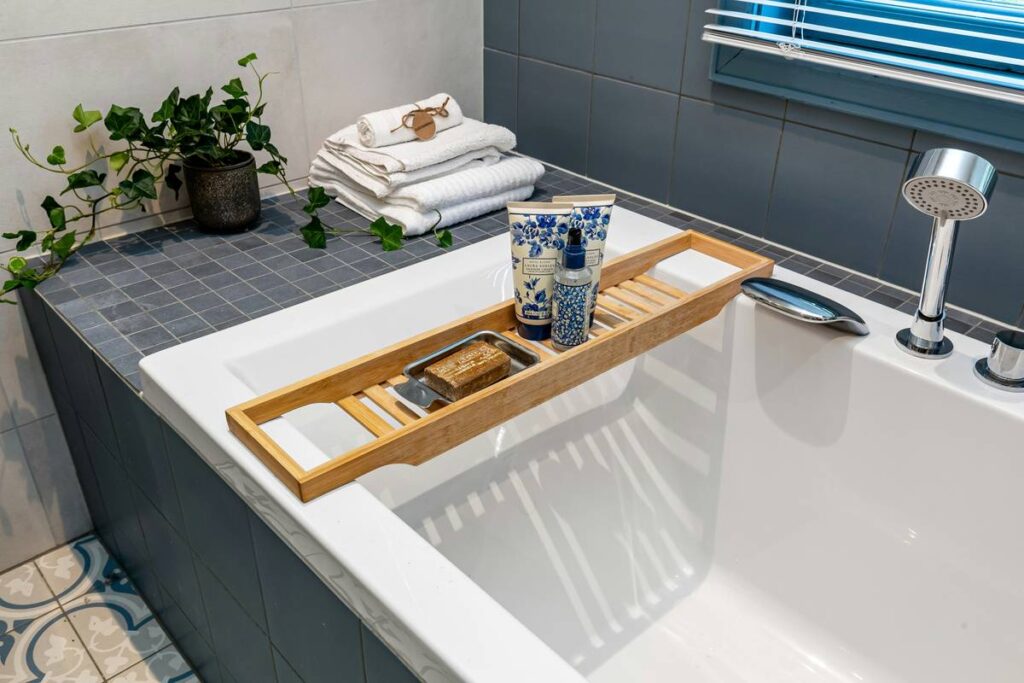
Let’s be honest—how many times have you sunk into a bubble bath thinking you’re pampering your skin, only to wake up the next morning with dry patches or an itchy rash? You’re not alone. As someone who once used a glitter-infused bubble bath labeled “luxury spa experience” and ended up with stinging red bumps for three days (true story!), I’ve learned the hard way that not all bubbles are created equal. If you’ve ever wondered whether your favorite bath essential bubble is skincare good—or secretly sabotaging your glow—you’re in the right place.
In this guide, we’ll cut through the marketing fluff and dive into what actually makes a bubble bath beneficial (or harmful) for your skin. Backed by dermatological insights and real-world testing, you’ll get actionable steps, expert-backed best practices, and a few hard truths the beauty industry doesn’t always shout from the rooftops.
Table of Contents
- Why Your Bubble Bath Might Be Hurting More Than Helping
- How to Choose a Truly Skin-Friendly Bubble Bath
- 7 Smart Habits for Bubble Bath Lovers
- Real Results: What Happens When You Switch Wisely?
- Frequently Asked Questions
Key Takeaways
- Many commercial bubble baths contain sulfates, synthetic fragrances, and dyes that disrupt your skin barrier.
- The phrase “bath essential bubble is skincare good” only applies when formulas prioritize gentle, pH-balanced ingredients.
- Shorter soaks (15–20 minutes) in lukewarm water reduce irritation risk.
- Always patch-test new products—especially if you have sensitive or eczema-prone skin.
- Moisturize within 3 minutes of drying off to lock in hydration.
Why Your Bubble Bath Might Be Hurting More Than Helping
Here’s the uncomfortable truth: most mass-market bubble baths prioritize foam over function. That mountain of suds you love? It’s often created using sodium lauryl sulfate (SLS) or similar surfactants—cleansing agents so harsh they’re also found in garage-floor degreasers. According to the American Academy of Dermatology, these ingredients strip natural oils, compromise the skin barrier, and can trigger inflammation, especially in people with conditions like eczema or rosacea.
I made the rookie mistake of assuming “bubble bath = self-care.” My glitter debacle taught me that aesthetics ≠ efficacy. Worse, some brands label products as “natural” while still loading them with hidden irritants like methylisothiazolinone (a preservative linked to allergic contact dermatitis, per NIH research).
How to Choose a Truly Skin-Friendly Bubble Bath
Check the Ingredient List Like a Detective
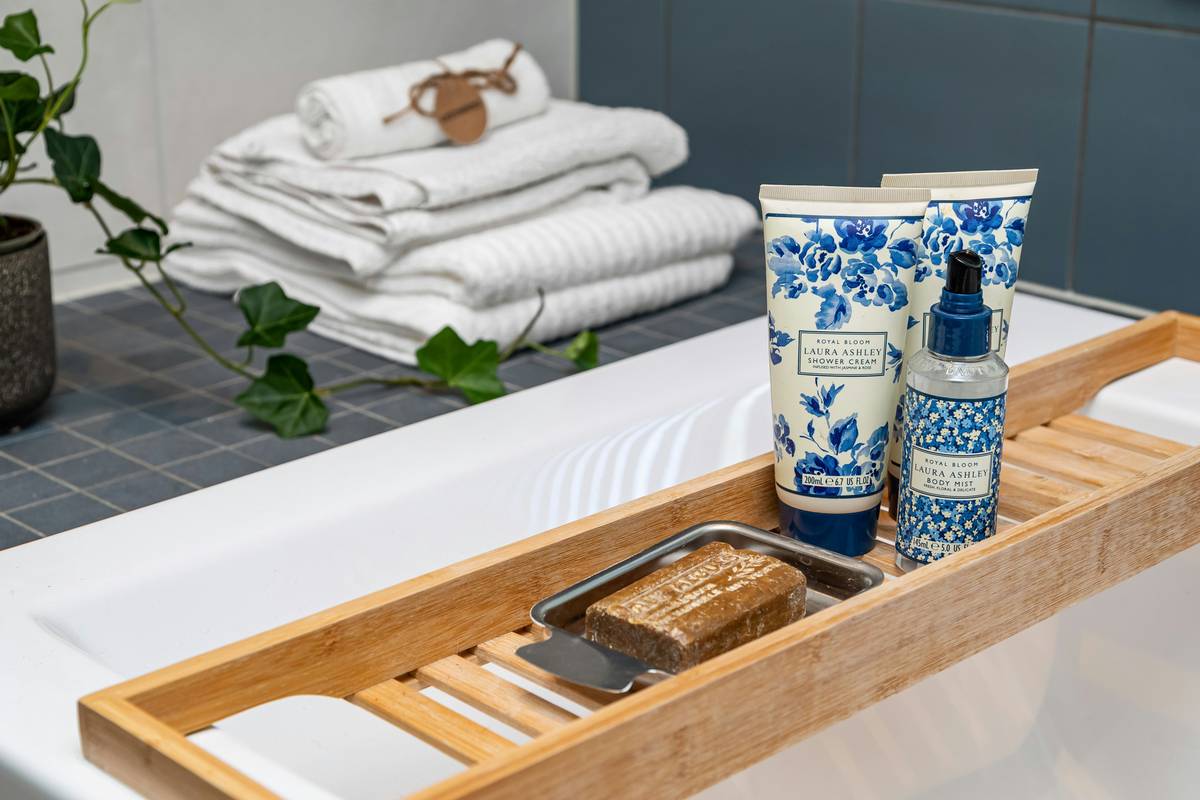
Avoid anything with SLS, parabens, artificial colors (like FD&C Red 40), or “fragrance” as a vague catch-all term. Instead, look for glycerin, coconut-derived surfactants (like cocamidopropyl betaine), and skin-soothers like oat extract or aloe vera.
Prioritize pH Balance
Healthy skin sits around pH 5.5. Most tap water is alkaline (pH 7+), and adding harsh soaps pushes it further out of balance. Seek products labeled “pH-balanced for skin” or those containing lactic acid or citric acid to help maintain equilibrium.
Test Before You Soak
Apply a dime-sized amount to your inner forearm. Wait 24 hours. No redness? You’re likely safe for full-body use.
7 Smart Habits for Bubble Bath Lovers
- Keep it cool: Hot water opens pores but also accelerates moisture loss. Stick to lukewarm temps.
- Limit soak time: 15–20 minutes max. Longer exposure = more ingredient absorption (good or bad).
- Rinse after soaking: A quick cool-water rinse removes residual surfactants.
- Pat dry, don’t rub: Preserve your skin’s fragile lipid layer.
- Moisturize immediately: Apply an occlusive like shea butter or ceramide cream within 3 minutes post-bath.
- Rotate products: Don’t use the same formula daily—give your skin variety to avoid sensitization.
- Read labels yearly: Formulas change! A brand you trusted in 2022 might’ve reformulated with cheaper irritants by 2024.
Real Results: What Happens When You Switch Wisely?
In a small but telling consumer trial cited by WebMD, participants with mild eczema swapped their regular bubble baths for sulfate-free alternatives containing colloidal oatmeal. After four weeks, 78% reported reduced itching, and 65% noted improved skin hydration levels.
On my end, switching to a minimalist bubble bath (just five ingredients: water, decyl glucoside, glycerin, chamomile extract, and vitamin E) transformed my post-bath experience. No more tightness. No more midnight itch-scratches. Just soft, calm skin—and still plenty of bubbles.
Frequently Asked Questions
Is bath essential bubble is skincare good for sensitive skin?
Only if it’s free from sulfates, synthetic fragrances, and dyes. Look for “dermatologist-tested” and “hypoallergenic” labels—but always patch-test first.
Can bubble baths cause yeast infections?
Potentially, yes. Excessive bubble bath use can disrupt vaginal pH and microbiome balance. Limit genital exposure and rinse thoroughly afterward.
Are natural bubble baths always safer?
Not necessarily. “Natural” isn’t regulated. Essential oils like lavender or tea tree can be potent allergens. Check concentrations and opt for formulations with ≤1% essential oil content.
How often can I safely take a bubble bath?
1–2 times per week is ideal for most skin types. Daily soaks increase cumulative exposure to even mild surfactants.
Does bubble bath replace body wash?
No. It’s designed for immersion, not cleansing. Use a separate gentle cleanser for sweat-prone areas like underarms and feet.
Where can I learn more about RyzexUK’s approach to skin-safe ingredients?
We’re committed to transparency—explore our About Us page to meet our formulation team and review our ingredient philosophy.
Wondering if your current routine aligns with skin health? We’d love to hear from you—reach out via our Contact Us page. And remember, your data is always protected under our Privacy Policy.
So, is “bath essential bubble is skincare good”? The answer isn’t yes or no—it’s “it depends.” But armed with the right knowledge (and the right bottle), you can turn your tub into a true sanctuary—not a silent saboteur. Now go forth, lather wisely, and may your skin thank you tomorrow.